



Solitaire Engagement Rings: Timeless, Versatile, and Worth It
A solitaire engagement ring puts one center diamond at the heart of the design, giving the setting a clean profile and making every choice around the stone matter. The style looks simple, but its prongs, diamond shape, band, and care requirements all influence how it wears over time.
Explore the Custom Ring Builder to begin creating a ring that fits your style and everyday life.
Solitaire engagement rings endure because they keep the center diamond visually prominent while offering remarkable flexibility in metal, setting, shape, and band design. A well-chosen setting can showcase the stone's size and detail, while the right protection and maintenance plan supports confident wear for years to come.
From the symbolism of a single center stone to the practical differences between four and six prongs, the enduring appeal becomes clearer when you look beyond the silhouette. Understanding that foundation will help you weigh classic beauty against security, comfort, and personal preference. For a broader look at styles, settings, and the design journey, start with our guide to custom engagement rings, styles, and design.
Why the Solitaire Engagement Ring Has Endured for Over a Century
A design that never goes out of style
Some engagement ring designs depend on a particular era. The solitaire feels different because its appeal rests on proportion, craftsmanship, and the center diamond.
Its uncluttered silhouette has remained recognizable across generations. That simplicity gives the style remarkable flexibility, whether the ring is chosen for a traditional proposal or a more personal custom design.
A classic style can also adapt without losing its identity. The center stone, band profile, metal, and setting details allow each ring to feel individual. The result is a design that can reflect contemporary preferences while still carrying the visual language families recognize.
For shoppers beginning to compare custom engagement rings, the solitaire offers a clear foundation. It makes the central design decision easy to understand, then leaves room to refine the details around it.
The solitaire as a symbol of focus
The solitaire draws attention to one central diamond rather than dividing the eye among several stones. That focus gives the ring a confident, intentional appearance.
According to the Gemological Institute of America, a solitaire setting suspends the diamond high enough to showcase its size and detail. The elevated position helps light reach the stone while keeping its shape and craftsmanship visible.
That structure also makes the diamond the emotional center of the design. The ring does not need excessive detail to feel meaningful. Its restraint can communicate clarity, commitment, and the importance of one carefully chosen stone.
This balance between presence and simplicity helps explain the solitaire's lasting place in bridal jewelry. It can look polished without feeling overly formal, and distinctive without competing with the wearer.
When evaluating a solitaire, look beyond its timeless outline. Consider how the diamond's proportions, setting height, band, and metal work together on your hand. A thoughtful consultation can help you create a ring that feels connected to enduring tradition while expressing your own story.
Four-Prong, Six-Prong, or Bezel: Which Solitaire Setting Is Right for You?
Prongs act like small wires welded to the band. They hold the diamond in place while suspending it high enough to show its size and detail. A bezel uses a rim of metal around the stone instead, creating a different balance of visibility and protection.
| Setting | Security | Stone visibility | Best for | Care |
|---|---|---|---|---|
| Four-prong | Secure when properly maintained, but a sheared prong can allow the center stone to fall out. | Less metal leaves more of the diamond visible. | Smaller stones, minimalist designs, and buyers who want the center diamond to be the star. | Inspect prongs regularly, especially if the ring receives frequent wear. |
| Six-prong | Offers greater security and more protection for the diamond girdle than four prongs. | Still showcases the diamond, with slightly more metal around its edges. | Active lifestyles, larger center stones, and buyers who prioritize added protection. | Check that every prong remains even, intact, and firmly seated. |
| Bezel | A surrounding rim shields the girdle and holds the stone securely. | More metal frames the stone, creating a clean, defined outline. | Buyers seeking a streamlined profile or extra edge protection. | Keep the rim clean and have the setting checked if the stone feels loose. |
These differences are practical, but they do not determine brilliance. According to the Gemological Institute of America, a diamond's sparkle comes from the quality of its cut, not from the number of prongs. The right setting should support the diamond's proportions, your preferred look, and how you live.
How to choose
Choose four prongs when you want an open, understated design with minimal metal. This can be especially effective for a diamond under half a carat, since additional prongs may visually compete with a smaller stone. Four prongs also make the center diamond feel especially prominent.
Choose six prongs when security and girdle protection carry more weight. Six points of contact provide added support, although routine inspection still matters. A bezel may be the strongest visual fit when you prefer a smooth, modern frame and a setting that shields the diamond's edge.
No setting replaces thoughtful maintenance. If you are comparing proportions, profiles, and everyday wear needs, explore custom solitaire options with Buchroeders' jewelry professionals.
Best Diamond Shapes for a Solitaire Engagement Ring
The right shape should reflect how you want the ring to look, feel, and wear every day. A solitaire design gives the center diamond the full visual focus, so its outline and proportions matter from every angle.
Round brilliant
The round brilliant remains a classic choice because its familiar outline works beautifully with a simple band and a range of prong styles. Its symmetrical shape creates a balanced, traditional look, while the solitaire setting keeps the design focused on the center stone. When comparing round diamonds, review cut quality alongside color and diamond clarity grades. A well-chosen stone can look refined without requiring a heavily detailed setting.
Oval and elongated cuts
Oval diamonds offer the brightness of a brilliant-style cut with a longer outline. That shape can create an elegant, graceful presence on the hand, especially when paired with a slender solitaire band. Elongated proportions also give the ring a distinct profile without adding side stones or extra ornamentation. Compare several stones in person, since length-to-width preferences vary. Look for a shape that feels balanced across the finger and suits the scale of the setting.
Step cuts: emerald, Asscher, and princess
Step-cut shapes bring a more architectural look to a solitaire. Emerald cuts emphasize broad, open facets and a clean rectangular outline. Asscher cuts offer a squared shape with a distinctive geometric character. Princess cuts provide a crisp square silhouette and can suit a modern, streamlined design.
These choices also call for thoughtful setting and care decisions. GIA notes that emerald, princess, and other rectangular or step-cut diamonds are more prone to chipping than some other shapes. So your lifestyle should be part of the conversation. Consider how often you work with your hands, whether the ring will be worn during active tasks, and how much protection the setting provides. The goal is not to choose one shape as universally best, but to match the diamond's design and care needs to your daily life. Read GIA's guidance on protecting your diamond engagement ring before making a final decision.
Buchroeders offers both natural and IGI-certified lab-grown diamond solitaires, giving you two sourcing options to consider without treating either as the automatic choice. A consultation can help you compare shape, proportions, certification, and setting details together through the Custom Ring Builder.
Solitaire With a Plain Band vs a Pave Band: What's the Difference?
Plain band
A plain band keeps the design focused on the center diamond. With less metal and no surrounding stones competing for attention, the solitaire setting makes the diamond the clear visual centerpiece. This approach is especially effective when you want the stone's shape, cut, and presence to lead the design.
A slim plain band can also make the center stone appear larger by creating more visual contrast around it. The result is clean and balanced, with a refined quality that works across changing styles. For more guidance on proportion and understated details, explore these simple engagement ring designs.
Plain bands are also straightforward to pair with a wedding band. You can choose a close-fitting band for a continuous look, or select a contrasting shape or metal for more definition. Because the band itself is not the main feature, the engagement ring remains easy to wear alone after the wedding day.
Pave band
A pave band adds a line of small diamonds along the shank, bringing extra sparkle to the ring without changing the solitaire's central structure. The center stone remains the focal point, while the band creates a brighter frame around it. This can make the overall ring feel more decorative and celebratory.
Pave is a good choice when you want continuous shine from the top of the ring toward the hand. It can also complement a center diamond that has a simple setting, adding detail without introducing a halo or additional center feature. The look is polished, but the small stones require attention during wear and professional inspections.
Which suits your lifestyle
Choose a plain band if you prefer minimal maintenance, a quieter look, or maximum emphasis on the center diamond. It is a versatile starting point for a future wedding band and leaves room for the stone to carry the design.
Choose pave if you love visible sparkle across the entire ring and want the band to feel more detailed. Consider how often you work with your hands, your comfort with routine inspections, and how the engagement ring will pair with your wedding band.
Neither option is more timeless by default. The right choice depends on whether you want one unmistakable wow factor or a layered look with light across both the center stone and the band.
How to Care for a Solitaire Engagement Ring Long-Term
A solitaire setting keeps the center stone visually prominent, but its open design also makes routine care important. A thoughtful maintenance plan protects the diamond, setting, and the meaning attached to the ring.
Daily wear and storage
Remove your ring before activities that could expose it to a hard impact, snagging, or harsh conditions. GIA notes that even a diamond can chip when struck precisely on a feather or other surface-reaching inclusion. Avoid wearing the ring during exercise, yard work, household repairs, or other tasks where your hands may be under pressure.
When the ring is off, store it in a soft-lined compartment or ring box rather than loose with other jewelry. Separating it helps reduce scratches and prevents the prongs from catching on nearby pieces. If the ring feels loose, catches on fabric, or looks uneven, stop wearing it until a jeweler can inspect the setting.
Professional care and protection
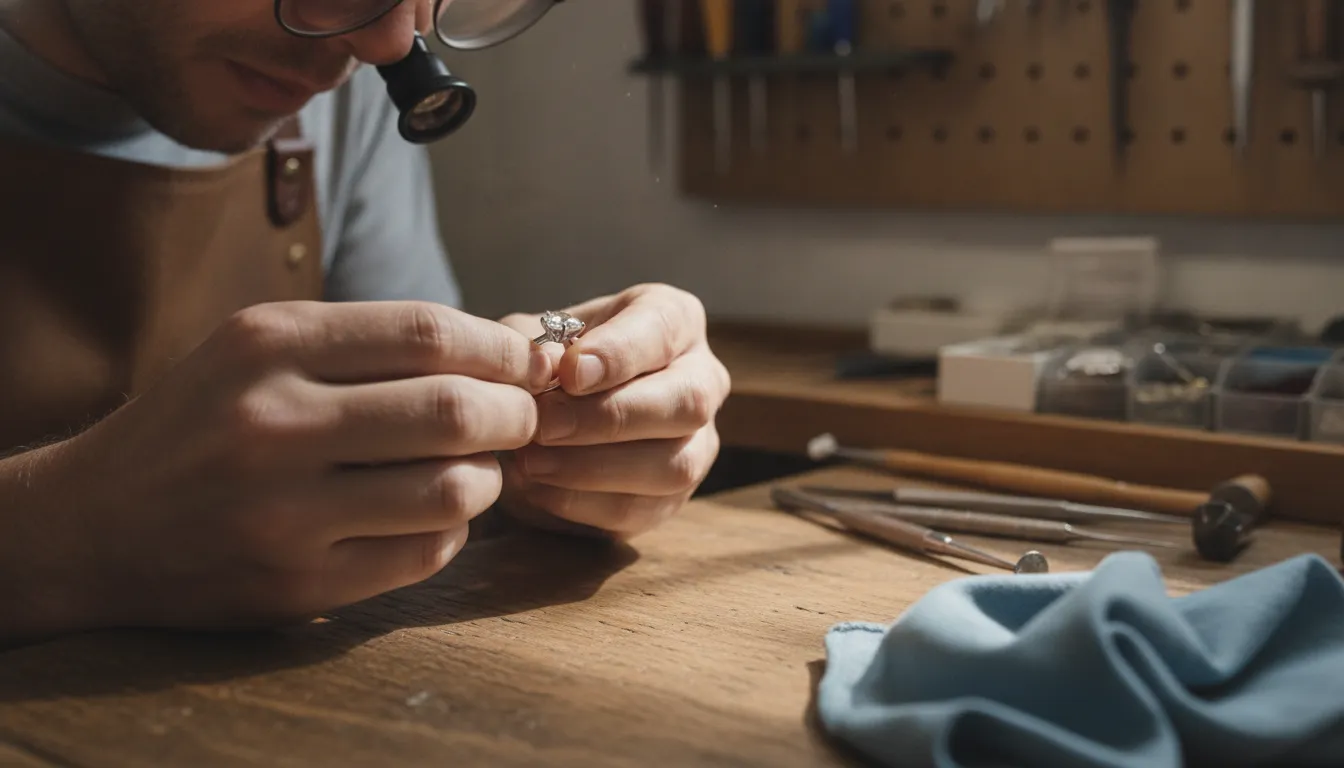
Regular professional inspection and cleaning can help safeguard a ring from damage or loss. A jeweler can check the prongs, examine the center stone, and remove buildup from areas that are difficult to clean safely at home. Buchroeders provides complimentary lifetime cleaning, inspection, and prong tightening for rings purchased there. Learn more about care through the Custom Ring Builder and consultation process.
After purchase, GIA also recommends obtaining an appraisal and arranging appropriate insurance. Keep those records current if the ring is significantly altered or its value changes. These practical steps provide financial protection without changing the personal significance of the piece.
The right care plan begins with the right design choices. If you are comparing settings, diamond shapes, or other custom engagement rings, discuss how each option fits your daily routine and comfort level.
Schedule a ring consultation to choose a solitaire setting and care plan with Buchroeders.
Frequently Asked Questions
What is a solitaire engagement ring?
A solitaire engagement ring features one center diamond or gemstone as the focal point, without a row of side stones on the setting. Its simple structure emphasizes the center stone's shape, cut, and presence, making it a versatile choice for many personal styles.
Are solitaire engagement rings still popular?
Yes. Their clean silhouette works across changing jewelry trends, and the design can feel traditional or contemporary depending on the diamond shape, metal, band profile, and setting details. A solitaire also leaves room to personalize the ring through a custom setting or a future wedding-band pairing.
Which diamond shape is best for a solitaire ring?
Round brilliant is the classic choice, but oval, cushion, emerald, princess, and Asscher shapes can all create a distinctive result. Consider the look you prefer, the proportions of your hand, and your care routine. GIA notes that emerald, princess, and other rectangular or square cuts can be more prone to chipping. Discuss protection and everyday wear with a jeweler when comparing them: GIA's diamond protection guide.
What is the most secure setting for a solitaire ring?
Six prongs generally provide more protection and security than four prongs because more metal supports the center stone. Four prongs show more of the diamond and can suit smaller stones, while a bezel or partial bezel shields the girdle. The right choice depends on the diamond, lifestyle, and preferred appearance. GIA compares these options in its guide to four- and six-prong settings.
How do I choose between plain and pave bands for a solitaire ring?
Choose a plain band if you want a refined, understated look and the strongest emphasis on the center stone. Choose pave if you prefer additional sparkle and a more detailed band. Try both styles in person, then consider comfort, maintenance, and how each option will pair with your wedding band.
Ready to See Your Solitaire in Person?
A private consultation can help you compare prong settings, diamond shapes, and band styles with your priorities in mind. Schedule a private consultation to see solitaire engagement rings in person and take the next step toward a ring that feels distinctly yours.
