



Natural Diamond Value Over Time: 2026 Market Guide
Natural Diamond Value Over Time: A 2026 Buyer Guide
A natural diamond can carry meaning for generations, but its future financial value is not guaranteed. Market direction, diamond quality, documentation, craftsmanship, and buyer demand all shape how a particular stone is viewed over time. This guide separates market evidence from assumptions. It helps you make a thoughtful purchase.
Explore Buchroeders' diamond education resources
Short answer: Natural diamond value over time depends on broad market conditions and the characteristics of an individual stone. A well-cut diamond with reliable grading documentation, desirable proportions, sound craftsmanship, and lasting personal meaning may be easier to appreciate, but no diamond guarantees a specific future price.
Recent market reporting gives useful context, especially as prices moved through notable changes in 2025 and 2026. The better question is not whether every natural diamond will appreciate. It is how to evaluate the actual diamond, the finished design, and the reasons you want to own it.
How Has Natural Diamond Value Over Time Changed in 2025-2026?
Natural diamond prices have been volatile in 2025 and 2026, with market reporting describing a substantial decline from 2022 levels. These figures show broad direction, not the guaranteed price of one stone. Shape, quality, grading, design, and buyer demand can make an individual diamond perform differently from a market average.
One recent market analysis reported that natural diamond prices had fallen more than 50% from 2022 levels and reached a recent historical low. Treat that figure as market context, not a universal reduction for every shape, size, quality, or certified stone. A headline average cannot establish the value of the diamond you are considering.
The U.S. Bureau of Labor Statistics explains how its diamond price indexes are measured. BLS first began publishing a diamond index in 1992. Its data uses sampled trade information and industry pricing inputs, so it helps show broad price change. It is not an appraisal and does not account for a finished ring's setting, craftsmanship, condition, or full grading report.
The IDEX Diamond Index provides another market view. IDEX says its index uses inventory data aggregated since February 2001 and is updated every hour. That frequency can help buyers understand current market discussion, but it still summarizes a defined dataset. It cannot predict what a specific diamond will be worth or what a future buyer will prefer.
What can a market timeline tell you?
- Direction: Whether a broad segment is rising, falling, or moving unevenly.
- Context: Why inventory and pricing conversations may feel different from an earlier buying period.
- Limits: Why an index cannot replace a review of the individual diamond, report, and finished design.
Use market data to ask better questions. Confirm which dates, shapes, qualities, and product types a comparison includes. Then evaluate the stone in front of you rather than assuming it matches a market average.
What Factors Determine Whether a Natural Diamond Holds Value?
Quality, documentation, condition, design, and demand work together to shape natural diamond value over time. The 4Cs provide a starting framework, while cut performance, shape, proportions, craftsmanship, and wearability add context. No single grade guarantees appreciation, but a well-understood diamond supports a more confident ownership decision.
The 4Cs are cut, color, clarity, and carat weight. Cut has an especially visible effect because it influences brightness, fire, and liveliness. Color and clarity affect rarity and appearance, while carat weight can influence demand in sought-after ranges. A balanced stone that looks beautiful in person is often a stronger choice than one selected by maximizing a single grade.
A grading report creates an independent record of measurements and characteristics. It helps buyers identify a diamond, compare similar options, arrange protection, and understand what they own. A report does not make a diamond an investment, but complete documentation makes the purchase easier to evaluate over time. Buchroeders' diamond education guide offers a useful foundation for connecting the 4Cs with practical buying decisions.
Shape also affects marketability. Round diamonds have broad recognition, while oval, emerald, pear, and other fancy shapes may appeal to more specific tastes. This does not make one shape universally better. It means future demand can be influenced by style, proportion, fashion, and how easily a design can adapt.
The setting matters because buyers experience a finished ring, not a loose list of specifications. Secure construction, balanced proportions, quality metalwork, and comfortable wear can support the appeal of the complete piece. Condition and verified provenance add further context, but provenance should be documented rather than assumed.
Are Natural Diamonds a Good Investment for Buyers?
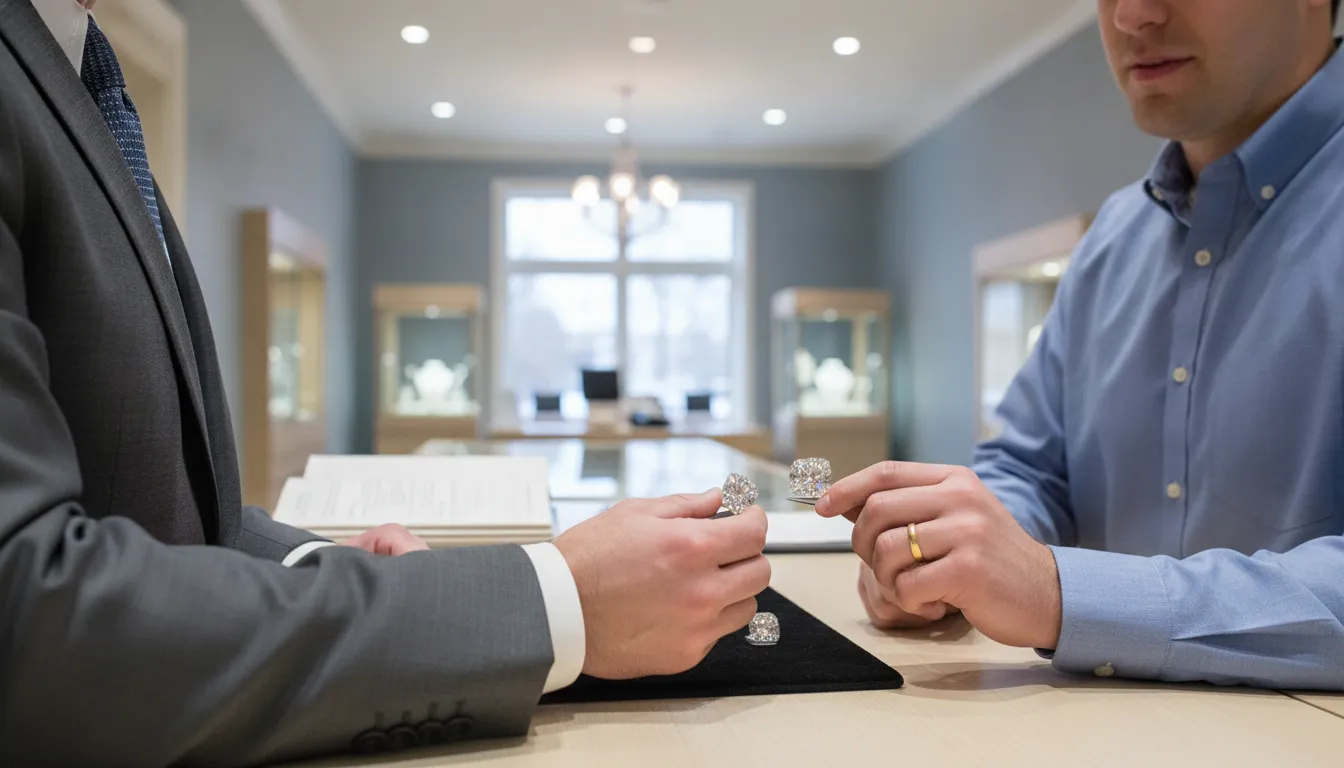
A natural diamond should not be treated as a guaranteed financial investment. Its future price depends on market conditions and the stone's particular characteristics, and resale value may differ from the original purchase price. Weigh financial uncertainty alongside beauty, wearability, craftsmanship, personal meaning, and potential heirloom value.
If investment means a purchase expected to deliver a predictable financial return, a natural diamond cannot make that promise. The amount paid today is not the same as a future market value. Indexes describe broad conditions, but they cannot forecast what one diamond will be worth or what a future buyer will choose.
That does not make the purchase less meaningful. A natural diamond can become part of a proposal, wedding, anniversary, or family story. Its emotional and heirloom significance may grow even when market prices move in another direction. That value is real, but it should not be confused with a guaranteed financial result.
Which kinds of value should you consider?
- Financial value: What the market may recognize later, influenced by quality, documentation, condition, demand, and design.
- Design value: How well the stone, setting, proportions, metal, and style work together.
- Wear value: How naturally the piece fits the wearer's daily life and personal style.
- Heirloom value: The durability, craftsmanship, story, and meaning that may make the piece worth preserving.
These measures can point in different directions. A rare diamond may have collector appeal but suit fewer styles. A classic ring may provide exceptional everyday satisfaction without being a speculative asset. Choose first for beauty and purpose, then consider whether its quality and documentation support the ownership experience you want.
How Does the Lab-Grown Diamond Market Affect Natural Diamond Prices?
Lab-grown and natural diamonds enter the market through different supply paths. Manufacturing capacity, geological supply, demand, and buyer preferences influence each category differently. More choices at different price points can affect how natural diamonds are positioned, but no universal conclusion follows for every stone. Compare origin, quality, budget, meaning, and expectations together.
Lab-grown diamonds are created in a controlled manufacturing environment, while natural diamonds are formed through geological processes and move through mining, cutting, distribution, and retail. Both can be evaluated using the 4Cs, and both deserve clear documentation. Their different origins and supply paths can lead to different market behavior.
As production capacity changes in the lab-grown category, buyers may have more choices at different budgets. Sellers of natural diamonds may respond through pricing, inventory selection, and product positioning. Natural-diamond demand can also reflect rarity, geological origin, symbolism, design, and the appeal of a stone with a distinct history.
| Consideration | Natural diamond | Lab-grown diamond |
|---|---|---|
| Origin | Formed naturally and brought to market through the jewelry supply chain. | Created in a controlled manufacturing environment. |
| Market influences | Natural supply, demand, rarity, quality, inventory, and design. | Production capacity, technology, demand, quality, inventory, and design. |
| Buyer priorities | May include geological origin, rarity, individuality, and heirloom meaning. | May include manufactured origin, appearance, budget allocation, and personal preference. |
For a balanced explanation of how natural and lab-grown diamonds compare, begin with your priorities instead of looking for a single winner. Origin, rarity, appearance, budget, symbolism, wearability, and expectations all deserve a place in the decision.
What Types of Natural Diamonds Have Historically Appreciated?
No type of natural diamond is guaranteed to appreciate. Buyers often study exceptional quality, rarity, classic appeal, documented grading, condition, and provenance because these traits can influence desirability. They are considerations, not predictions. Future demand can change, and market value may not match sentimental or purchase value.
Buyers researching natural diamond value over time often focus on traits that make a stone distinctive and consistently desirable. A strong visual presence, unusual size, uncommon combination of qualities, or documented history can attract attention from knowledgeable buyers. That attention is never assured, and a narrower audience can make a piece more specialized.
Which qualities may support long-term desirability?
- Exceptional quality: Strong proportions, attractive light performance, and desirable color and clarity can distinguish a stone from average inventory.
- Classic appeal: Familiar shapes and wearable designs may remain easier for future buyers to understand, although fashion always changes.
- Documented grading: An independent report gives future owners a clear record of the diamond's characteristics.
- Verified history: Documented provenance or a distinctive connection can add context and emotional importance without guaranteeing a market premium.
The U.S. Geological Survey's gemstone information notes that stones can be reused as estate jewelry, reset, or recut. That is a reminder that the market includes more than newly mined production. For most bridal buyers, the strongest decision balances measurable quality with beauty, wearability, budget, and meaning.
How Does Natural Diamond Value Over Time Shape a Buying Decision?
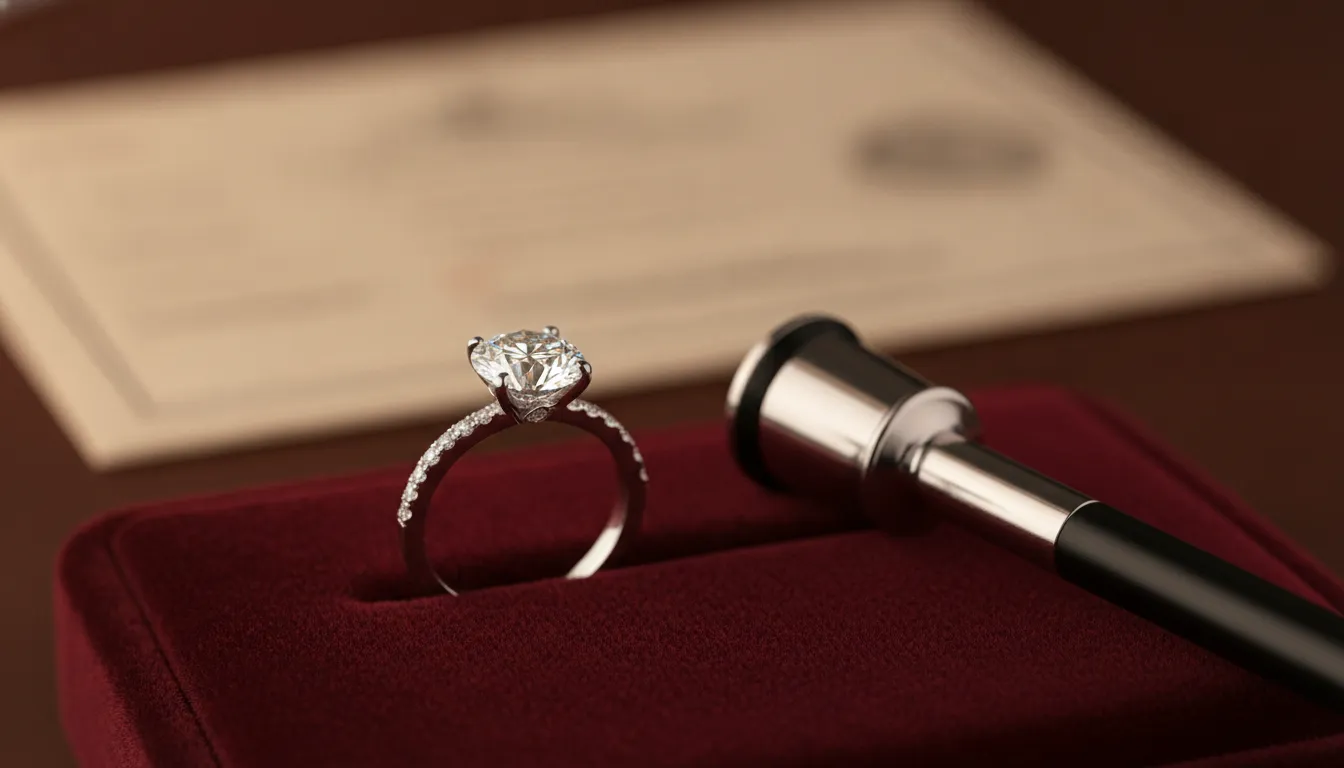
Define what value means for your purchase, then compare the 4Cs, grading report, design, condition, protection needs, and long-term wearability. Set a comfortable total budget and treat future appreciation as uncertain. A careful review helps you choose a well-documented diamond that fits your life rather than a market promise.
- Define your purpose and budget. Decide whether the diamond is for an engagement ring, an heirloom, or another meaningful occasion. Include the setting and ownership costs in your total budget.
- Compare the 4Cs together. Cut, color, clarity, and carat affect appearance and price, but they should not be evaluated in isolation. Compare stones with similar specifications under consistent lighting.
- Review the grading report. Confirm that the report corresponds to the stone. Pay attention to measurements, proportions, clarity characteristics, report date, and any treatment notes.
- Evaluate the setting and design. Consider whether the shape, proportions, metal, and setting work together. Quality craftsmanship should support security and comfortable everyday wear.
- Plan for protection and documentation. Keep the report, purchase records, appraisal materials, and care instructions together. Ask about protection requirements and recommended inspections.
- Seek an expert review. Online specifications cannot fully convey light performance, craftsmanship, or how a diamond looks on the hand. A knowledgeable review can clarify meaningful differences without promising a specific return.
If a custom design is part of your plan, explore custom engagement ring design so the diamond and setting can be considered together from the beginning.
Explore custom engagement ring design
Frequently Asked Questions
Are natural diamonds losing value over time?
Some broad market reports describe declining prices from earlier highs, but that does not establish the value of every individual diamond. Cut, shape, quality, grading documentation, condition, design, and demand all matter. A market index is useful context, not an appraisal or a guarantee of future price.
Do natural diamonds reliably increase in value over time?
No. A natural diamond can carry lasting personal and heirloom significance, but it should not be purchased with a guaranteed financial return in mind. Choose a stone because it suits your relationship, style, and budget first, then consider its documentation and long-term ownership qualities.
What has the greatest effect on a natural diamond's value?
The 4Cs provide the foundation, with cut playing an important role in appearance. A respected grading report, attractive proportions, desirable shape, sound condition, strong craftsmanship, and complete documentation add context. Comparing actual stones with similar specifications is more useful than relying on carat weight alone.
How should I compare natural and lab-grown diamonds?
Start with your priorities, including origin, rarity, appearance, budget, symbolism, wearability, and expectations. Evaluate both options for cut, color, clarity, carat, craftsmanship, and documentation. Their market behavior can differ. Choose the option that fits your goals. Do not search for a universal winner.
Ready to Choose With Realistic Expectations?
Natural diamond value over time is one part of a meaningful purchase. If you would like help comparing documented stones, understanding the 4Cs, or thinking through a design, Buchroeders Jewelers can help you evaluate your options with care and clarity.
