



How to Design a Custom Engagement Ring: Complete Guide
A custom engagement ring is not simply a different setting chosen from a display case. It is a chance to make thoughtful decisions about the diamond, proportions, metal, and details that should feel meaningful for both of you.
Start designing your custom engagement ring
Learning how to design a custom engagement ring starts with a clear conversation about your style, priorities, budget, and timeline. Expert guidance then turns those choices into a ring made for your story.
The process becomes much easier when you know what to consider before production begins. This custom engagement rings guide offers helpful context, while the steps ahead explain how personalization can improve the fit, look, and confidence behind your purchase.
Why Custom Beats Off-the-Shelf for Most Couples
A ready-made ring can be beautiful, but it asks you to begin with someone else's finished decisions. Custom design gives you more room to shape the ring around your relationship, priorities, and the person who will wear it. GIA describes a custom ring as a unique, one-of-a-kind statement of your love, rather than a design shared by countless other couples.
| Consideration | Custom | Ready-made |
|---|---|---|
| Design control | Choose the details, proportions, setting, and finishing touches together. | Select from existing designs with details and proportions already determined. |
| Diamond selection | Choose the diamond and design the mounting around your preferred stone. | Choose from stones already paired with established settings. |
| Fit and comfort | Plan the profile, proportions, and practical details around the wearer's lifestyle. | Evaluate the fit of the existing design and make adjustments where available. |
| Timeline | Allow time for consultation, design approval, production, and final inspection. | Often available sooner when the ring is already in stock. |
| Cost | At Buchroeders, custom design carries no extra design fee compared with pre-made rings. | Pay for the ring's existing design, materials, and selected center stone. |
The strongest advantage is control without unnecessary complexity. During Buchroeders' We Listen First consultation, you can discuss style, budget, lifestyle, and the details that matter most before a design takes shape. That conversation helps separate must-haves from nice-to-haves, so the finished ring feels considered instead of overworked.
Custom design also supports a more personal diamond and setting decision. You are not limited to the combination shown in a display case. The design can respond to the stone's shape, the desired presence on the hand, and how the ring should coordinate with future wedding jewelry. GIA notes that the diamond shape helps determine the overall ring design, making the two choices naturally connected. Read the custom engagement rings guide for a broader look at styles and design decisions.
Ready-made is still a sensible choice when speed, simplicity, or a specific existing design matters most. Custom is often the better fit when you want the ring to reflect a distinctive idea and value expert guidance throughout the process. Buchroeders uses 3D CAD renderings, and physical 3D printing can provide another way to visualize the design before production begins.
Step 1: Discover Your Style and Priorities
Before choosing a diamond or sketching a setting, clarify what the ring should express and how it should fit your partner's life. This first conversation gives the design a direction without locking you into a finished look. It also helps your jeweler understand which details matter most, from everyday comfort to the feeling you want the ring to create.
Questions to Ask Before You Start
Begin with a practical conversation about budget, timing, and the qualities you value most in a diamond. The Gemological Institute of America notes that an initial jeweler conversation commonly covers budget, familiarity with the 4Cs, diamond shape, ring style, and preferred metal color. Preparing these topics helps you make decisions in the right order.
Ask whether your partner prefers a traditional silhouette or something more distinctive. Consider whether the ring should coordinate with jewelry they already wear, accommodate an active routine, or leave room for a future wedding band. You do not need every answer before your consultation. A strong jeweler should help you compare options and explain the tradeoffs clearly.
Existing jewelry can offer useful clues when you need to keep the proposal a surprise. GIA recommends looking at the gemstone shapes in a partner's favorite pieces for insight into preferred diamond shapes. Notice whether their collection leans toward clean lines, soft curves, warm metal, or cool metal. These observations can turn a vague impression into a thoughtful starting point. GIA's custom engagement ring guidance offers additional questions to consider.
At Buchroeders Jewelers in Columbia, MO, the process begins with a "We Listen First" consultation. This no-pressure approach gives you space to describe your priorities before recommendations are made. You can also begin designing a custom engagement ring with the team when you are ready.
Where to Find Style Inspiration
Look beyond individual ring photographs and collect details that consistently appeal to you. Save examples of prongs, bands, profiles, engraving, proportions, and side-stone arrangements. Then group those examples by feeling, such as classic, vintage, modern, or edgy. GIA notes that custom engagement rings can take many stylistic directions, so inspiration does not need to fit one predefined category.
Pay attention to what feels wearable rather than simply what photographs well. A low profile may suit someone who prefers minimal movement, while a more detailed design can create a distinctive, heirloom-like presence. Bring a small, focused set of references to your consultation. The goal is not to copy one ring, but to identify the combination of shapes, textures, and proportions that feels personal.
Step 2: Choose Your Diamond, Shape, Size, and Certification
Round vs. Fancy Diamond Shapes
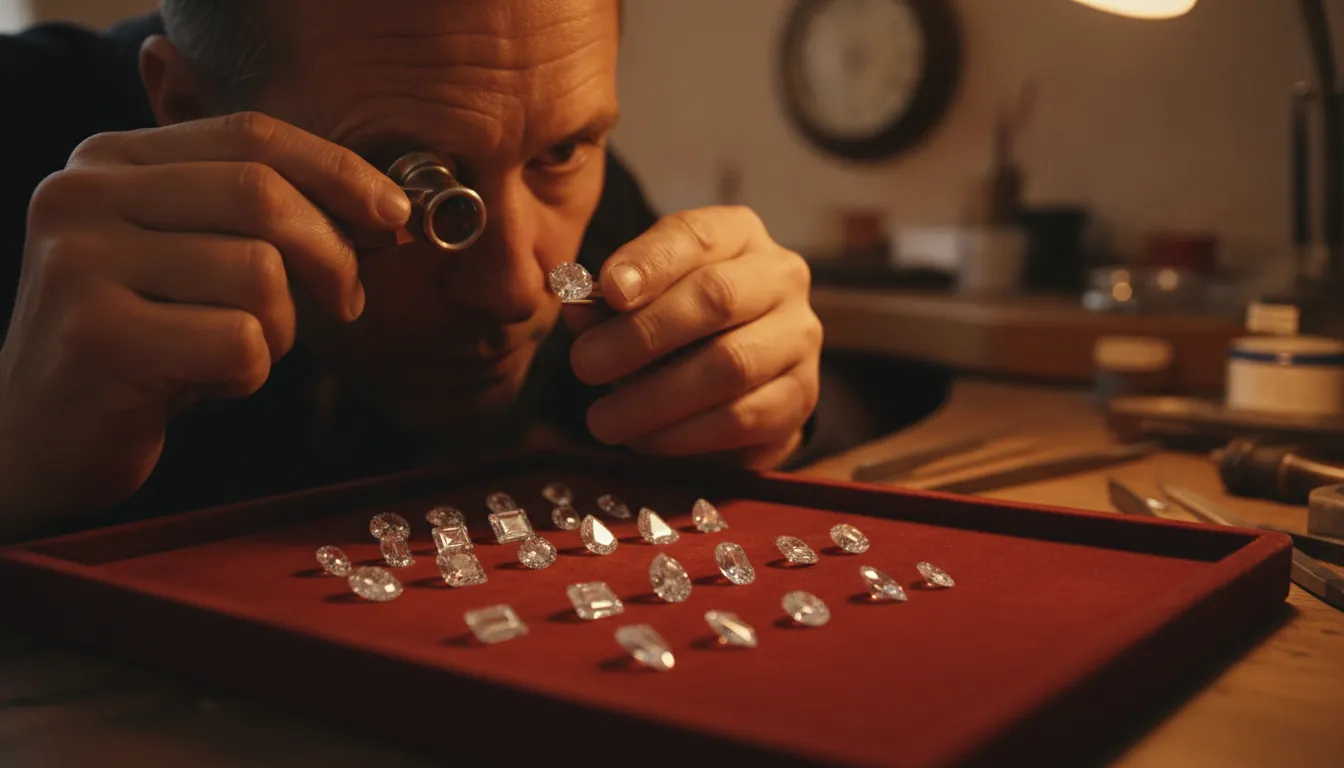
The diamond shape is one of the first decisions that influences the ring's entire design. The round brilliant is the most popular shape and cutting style for engagement rings, according to the Gemological Institute of America. Its balanced outline works with many settings, from a traditional solitaire to a more detailed halo design.
Fancy shapes include styles such as oval, pear, emerald, cushion, and marquise. Each creates a different visual impression and may suggest a different setting, band profile, or proportion. Shape is not the same as cut quality. Shape describes the diamond's outline, while cut refers to how well its facets interact with light.
If you are unsure where to begin, look at the jewelry your partner already wears. The shape of gemstones in favorite pieces can offer insight into personal preferences. Bring photographs or examples to your consultation, then compare proportions on the hand rather than choosing from a name alone.
The 4Cs and Independent Certification
The 4Cs provide a consistent framework for evaluating a diamond: cut, color, clarity, and carat weight. Cut describes the quality of the diamond's proportions and finish. Color measures how close a diamond is to colorless. Clarity addresses internal and surface characteristics, while carat refers to weight, not a direct measurement of visible size.
These characteristics work together, so a larger carat weight does not automatically create the most appealing diamond. Your budget, preferred shape, setting, and priorities should guide the balance. Couples typically spend around $6,000 on a custom engagement ring, though the right choice depends on the design and diamond selected.
Independent certification gives you a documented assessment of the diamond's characteristics. Look for a grading report from a respected laboratory, such as GIA or IGI, and compare the report with the stone you are considering. Buchroeders offers Missouri's largest selection of loose diamonds, including natural diamonds and IGI-certified lab-grown diamonds. Both options can be evaluated thoughtfully through the same questions about quality, appearance, and budget.
Once you know your preferred shape and priorities, browse the engagement ring collection for design references. A Buchroeders specialist can then help you compare suitable stones and see how each choice supports the ring you want to create.
Step 3: Select the Setting and Metal
With the diamond chosen, the setting determines how it is presented, protected, and experienced every day. A solitaire keeps attention on the center stone with clean, enduring simplicity. A halo surrounds it with a frame of smaller diamonds, while a three-stone design gives the ring a meaningful sense of balance. Pave adds fine rows of diamonds along the band for a more luminous finish.
Consider how each style fits the wearer's hands, wardrobe, and routine. A low-profile setting can feel practical for someone who works with their hands, while a higher setting may create more presence and allow additional light around the center stone. Your jeweler can also discuss proportion, comfort, and how the setting will support the selected diamond.
Choosing a Metal for Your Lifestyle
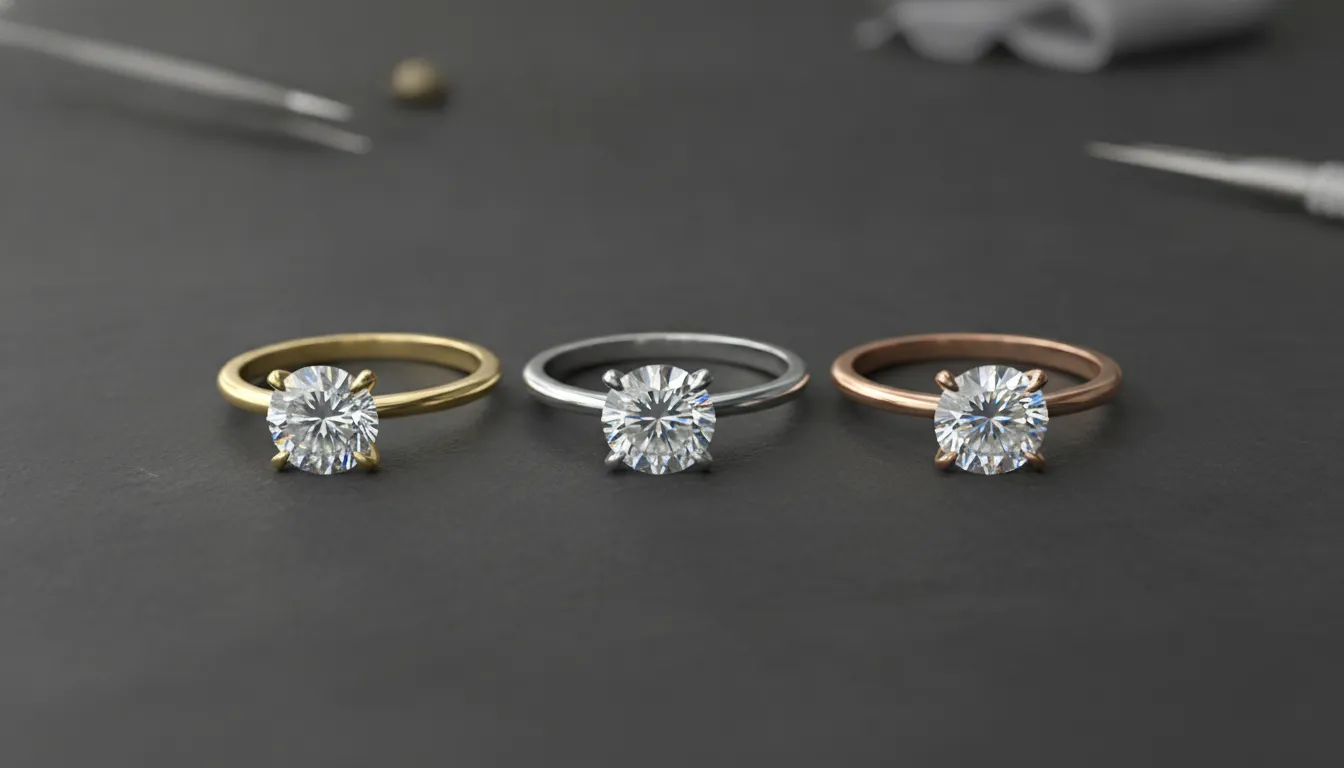
Metal color is an important part of the design conversation. GIA notes that jewelers commonly ask about preferred metal color during the engagement ring consultation, alongside questions about style, diamond shape, and budget. If you are unsure, notice whether the jewelry already worn most often is yellow, white, or rose gold. You can review the consultation questions in GIA's engagement ring buying guidance.
Platinum offers a naturally white appearance and substantial feel, making it a considered choice for an heirloom ring worn every day. Fourteen-karat yellow gold is durable and warmly traditional, while 18-karat yellow gold has a richer color and a higher proportion of pure gold. White gold creates a bright, neutral look, and rose gold brings a soft blush tone that can feel distinctly personal.
Skin tone may help guide your first impression, but it should not limit your choice. The best metal is the one that complements the wearer's existing jewelry and feels right in daily life. Think about activity level, desired color, maintenance preferences, and whether the ring should coordinate with a wedding band. For broader style ideas, explore this custom engagement ring design FAQ.
A thoughtful setting and metal pairing should feel beautiful now and natural years from now. Comparing samples in person can make subtle differences in color, weight, texture, and proportion easier to understand before the design moves forward.
What Does the Creation Stage Involve?
Once your priorities, diamond, setting, and metal are selected, the design moves from ideas to a finished ring. Buchroeders Jewelers uses a three-stage process that keeps each decision personal, visible, and carefully reviewed.
- We Listen First consultation. Your jeweler reviews the design details, intended feel, lifestyle considerations, and practical questions with you. This conversation ensures the ring reflects your vision before the design is developed further. It also gives you space to refine your preferences without feeling rushed.
- Selection and Design. The team turns your ideas into a considered ring design, including the proportions, setting details, metal, and diamond presentation. Before production begins, you are shown a 3D CAD rendering. This lets you review the design from multiple angles and request adjustments while changes are still straightforward.
- Ring Creation. After the design is approved, skilled craftspeople begin creating the ring. If seeing a physical model would help, 3D printing is available to preview the ring in person before production. Your jeweler remains involved as the design moves toward its finished form.
This process is supported by a 130-year-old family business in Columbia, Missouri, where your jeweler reviews both design details and craftsmanship. If you are ready to discuss your ideas, begin with a custom ring consultation and bring any inspiration, heirloom details, or questions you want to explore.
How Long Does It Take to Design a Custom Engagement Ring?
A custom engagement ring usually takes several weeks because the design must move from an idea to a finished piece of jewelry. At Buchroeders, the average custom timeline is five to six weeks. That schedule gives your jeweler time to understand your priorities, source the right stone, refine the design, and complete the ring with care.
There is no single timeline for every project. The Gemological Institute of America explains that a straightforward custom design takes at least two weeks to produce. More complex designs, or projects requiring stone matching, can take five to six weeks or longer. These ranges are useful planning guidelines, but your jeweler should provide a project-specific schedule before production begins.
Several decisions can affect the calendar. Sourcing a particular diamond or matching stones may require additional time, especially when the desired shape, size, color, or certification is specific. Intricate details can also extend the process. A halo, custom engraving, unusual proportions, or a highly detailed gallery requires more precision than a simpler setting.
Design revisions are another important part of the timeline. Buchroeders uses 3D CAD renderings so you can review the ring's proportions and details before production. If the design needs refinement, those revisions happen before casting. Approving the rendering promptly can help keep the project moving, while thoughtful changes are worthwhile when they improve the ring's balance, comfort, or personal meaning.
After the design is approved, the ring moves through casting, stone setting, finishing, and inspection. Depending on the project, a physical 3D-printed preview may also help you understand the design before the final ring is made. Each stage protects the quality of the finished piece, rather than treating the timeline as a race.
Planning Around Your Proposal Date
Share your proposal date during the first consultation, even if it is still tentative. A clear deadline helps the jeweler recommend a realistic design path and identify decisions that need to happen early. Starting sooner also leaves room for revisions or unexpected sourcing delays. Buchroeders' custom engagement rings guide offers additional planning context before your consultation.
The most reassuring approach is to ask for a written schedule up front. A knowledgeable jeweler can explain when you will review the design, approve production, and receive the finished ring. With that plan in place, learning how to design a custom engagement ring feels less like guessing and more like making a series of confident, personal decisions.
Request your custom ring consultation
Frequently Asked Questions
Is it cheaper to design your own engagement ring?
Custom design is not automatically less expensive than a ready-made ring. The final investment depends on the diamond, metal, setting complexity, and personalization you choose. At Buchroeders, custom design does not carry an extra design fee compared with a pre-made ring, which allows your budget to focus on the materials and craftsmanship that matter most.
Can I design my own custom engagement ring online?
Online tools can help you explore diamond shapes, settings, and proportions, but a consultation adds important guidance before you commit. A jeweler can discuss your priorities, review diamond quality and certification, assess how the ring should fit your lifestyle, and refine the design. Buchroeders follows a We Listen First approach, then moves through selection and design before ring creation.
How much should I spend on an engagement ring if I make $100,000 a year?
There is no responsible formula that ties ring budget to income alone. Start with the amount you can spend comfortably after considering savings, recurring expenses, and other wedding priorities. Then share that range early so your jeweler can recommend diamond options, settings, and design choices that respect it. Buchroeders clients spend about $6,000 on average, but your appropriate budget is personal.
When will my custom engagement ring be ready?
Timing depends on the design, selected stones, and production requirements. GIA advises allowing at least two weeks for a straightforward custom design. Complex designs or stone matching can take five to six weeks or longer: GIA explains custom ring timelines. Buchroeders' average custom timeline is five to six weeks, and 3D CAD renderings are shown before production so you can review the design first.
Ready to Design a Custom Engagement Ring?
A thoughtful consultation can turn your ideas, priorities, and inspiration into a clear design direction before production begins. Buchroeders' We Listen First approach gives you space to ask questions and make confident choices.
